Licensed Salesperson REAA 2008 Harcourts Cooper & Co Silverdale Bilingual EN / AF
Welkom.
For South African families

You're a long way from home. Almost.

I came the same way. Cape Town, then Auckland in 2018. Seven years and counting on the Hibiscus Coast and a community of South African families who pass my number around — at braais, school gates, and after church.
EN / AF Praat ook Afrikaans
20+ yrs Financial services SA
$125M+ Settled in NZ
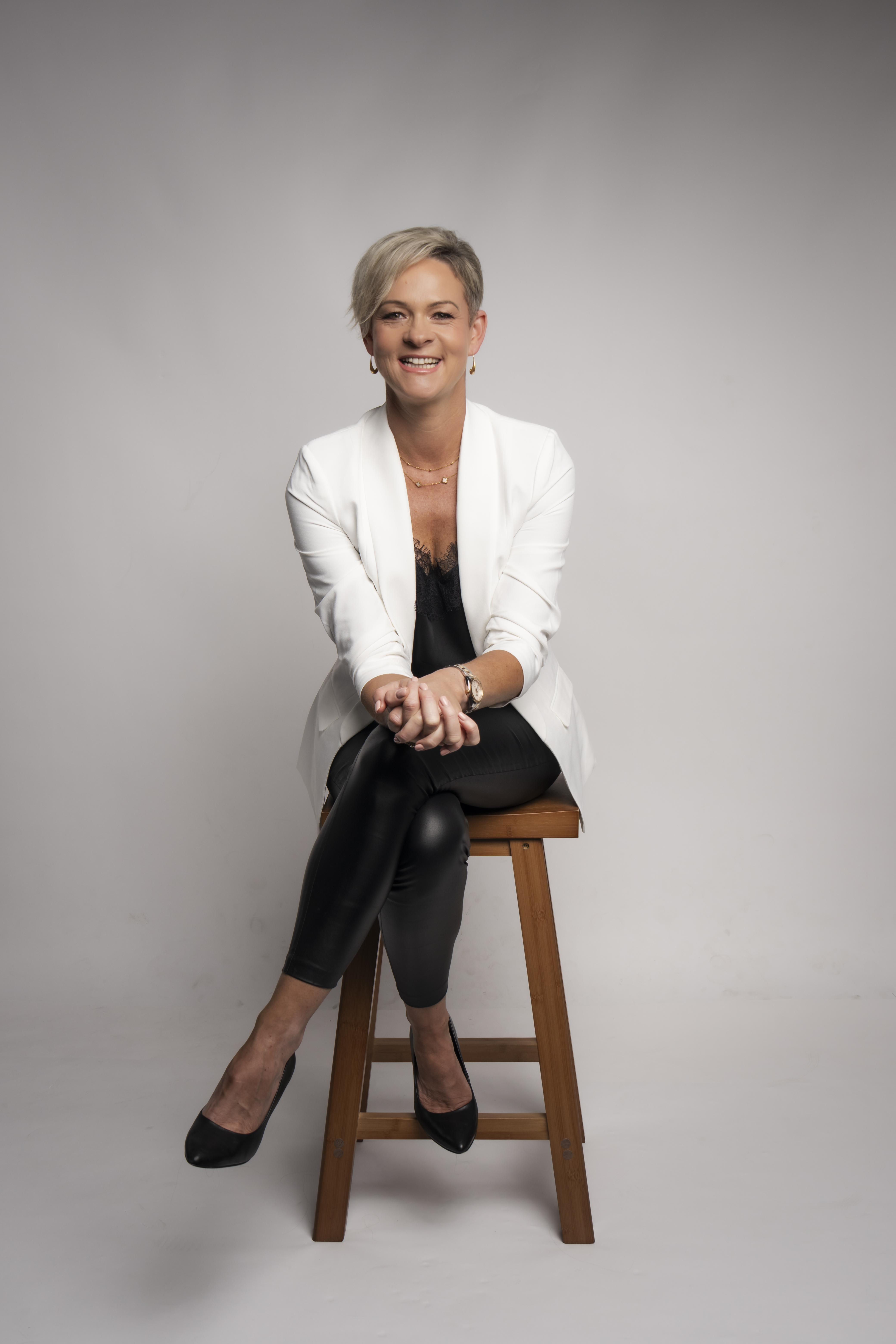
Karin Blaauw, bilingual real estate agent serving the South African community on the Hibiscus Coast
My own arrival

I know what the first six months feel like.

The exchange rate is the easy part. It's the small things that catch you out — the price of a punnet of strawberries, the way Kiwis say "yeah, nah", the kid who comes home from school on day three with a friend whose name you can't pronounce, and how that suddenly feels like everything is going to be okay.

I moved from Cape Town to Whangaparāoa in 2018, with two decades in financial services behind me — useful preparation for the paperwork side of a relocation, less useful for the part where you stand in a Pak'nSave trying to work out what a kumara is.

What I learned over those first months is what I now bring to every South African family I work with: geduld. Patience. The willingness to slow down and explain what the local way of doing things actually means. A Kiwi auction is not a South African auction. A LIM is not a deeds search. "By negotiation" doesn't mean what it sounds like. None of it is hard once someone explains it — but very few agents bother to.

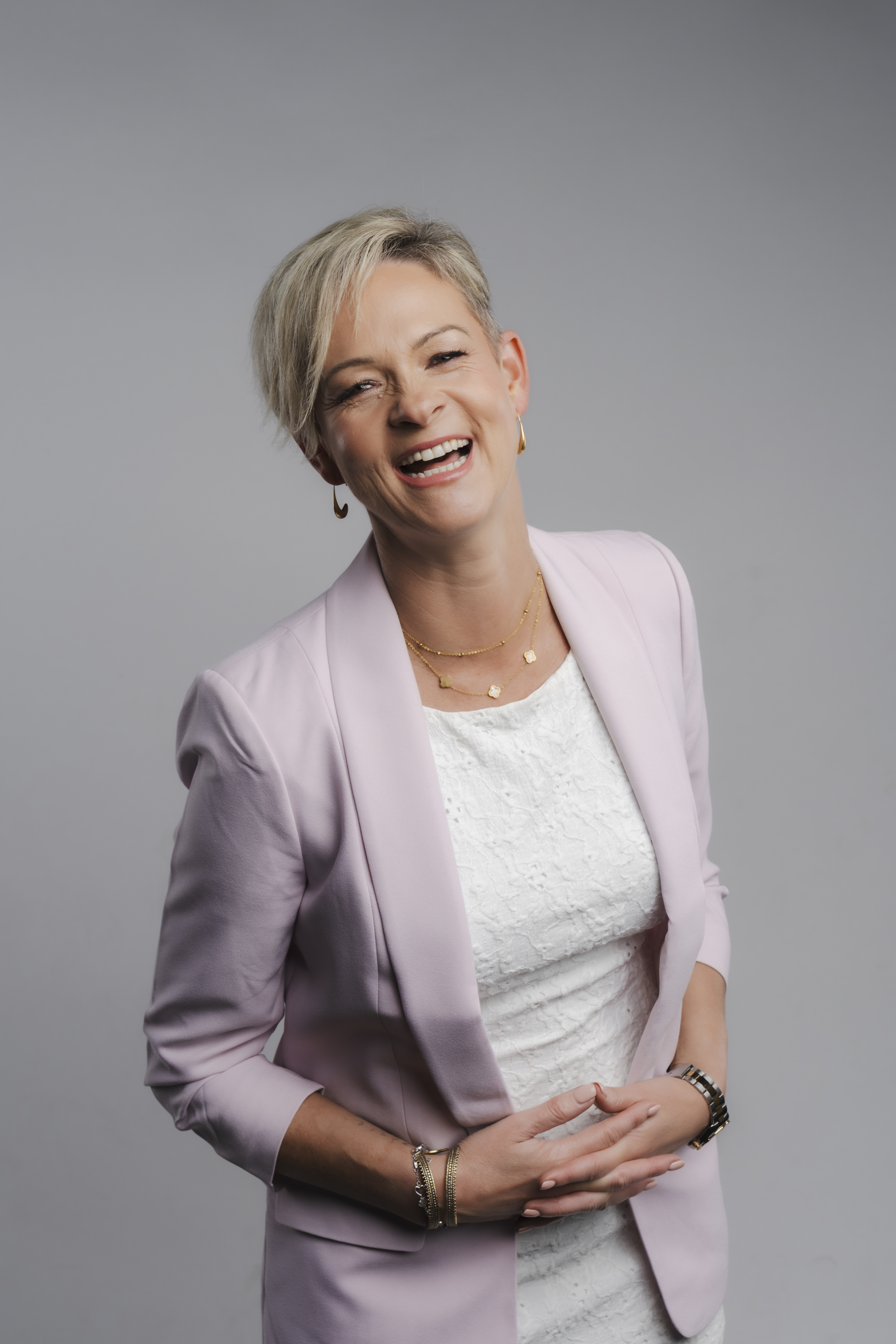
Karin Blaauw, bilingual English and Afrikaans real estate agent at Harcourts Cooper & Co Silverdale
A note from Karin
"I treat every relocation like my own. Because mine taught me how lonely the technical bits can feel when nobody slows down to translate."
Karin Blaauw
The small differences

The things that aren't in the brochure.

Most agents will walk you through a house. Few will walk you through the difference between a body corporate and a residents' association, why a cross-lease isn't a death sentence, or which suburb has the South African corner shop your kids will quietly love. These are the things I make sure get said.

i.

The conversation can be in Afrikaans

Some families find it easier to talk through the big decisions in their first language. Mine too. If that's you, we can have the whole conversation in Afrikaans — appraisals, offers, paperwork explained, the whole thing. Praat ook Afrikaans.

ii.

The technical vocabulary translated

LIMs, CCCs, cross-leases, body corporates, healthy homes — every term gets explained the first time it appears, in plain English (or plain Afrikaans), without making you feel like you should already know it. The South African equivalents are usually pretty close; the differences that matter, I'll flag.

iii.

The pace adjusted to your timeline

If you're not in the country yet, we work in WhatsApp voice notes and Saturday-morning video walkthroughs. If you've just landed and everything feels too fast, we slow down. The right time to make an offer is when you actually want to make one — not when the auction calendar demands it.

iv.

The community as a soft landing

Seven years in, I know which streets have South African neighbours, which churches have braais after the Sunday service, and which schools have an ESOL teacher who actually cares. None of that is on a listing, but a lot of it matters.

Where South African families settle

Each suburb has its own pull.

There isn't one right answer. Whangaparāoa is for the family that wants the beach and the slower pace. Browns Bay is for the family that wants the South African community and the easy reach into the city. Silverdale and Millwater suit the family who wants new-build certainty. Orewa is for the family who wants the village. Here's the honest read on each.

i.

Whangaparāoa peninsula

The Coast proper. Beaches at the end of most streets, an easier pace, school zoning that holds steady. The community here is small but tight — a lot of SA families who've been in NZ for ten or more years, the ones who settled early and never moved.

ii.

Silverdale & Millwater

The newer side of the Hibiscus Coast. Master-planned, walkable, the schools fresh and the houses built this decade. Suits families who want the certainty of new-build over the character of older. The motorway is on your doorstep, the city's 35 minutes off-peak.

iii.

Orewa & Red Beach

Orewa is the village — the surf club, the boulevard, the morning swim. Red Beach is the next one over, slightly more residential, slightly more affordable. Both have a settled feel. Decile-eight schools in walking distance.

iv.

Browns Bay & Albany

The Bays are the largest South African community on the Shore. The Albany Mega Centre is the unofficial gathering point on a Saturday morning. School options are wide, secondary in particular. This is where most SA families spend their first few years before deciding whether to push north to the Hibiscus Coast.

In English or Afrikaans

"Praat ook Afrikaans."

The conversation can be in whichever language feels easier on the day. Some families switch between the two without noticing. That's fine. Mine does too.

Questions I get asked often

The things South African families want to know.

Is there a real estate agent in Auckland who speaks Afrikaans?

Yes — that's the short answer. I'm a Licensed Salesperson with Harcourts Cooper & Co in Silverdale, fluent in both English and Afrikaans, and I work the Hibiscus Coast. I lived in Cape Town before moving to New Zealand in 2018, and a large part of my work is with South African families settling here.

Which Auckland suburbs do South African families typically choose?

Browns Bay and Albany have the largest established South African community — it's where most families spend their first few years. Whangaparāoa, Silverdale, Orewa and Red Beach on the Hibiscus Coast attract families looking for a slower pace, beach access, and stable school zones. I can give you an honest read on which one suits your situation.

Can we start the property search before we arrive in New Zealand?

Yes, and most of the families I work with do exactly that. We typically begin with WhatsApp voice notes and Saturday-morning video walkthroughs while you're still in South Africa. By the time you land, you have a clear sense of the suburbs, the price points, and the kind of property that fits. Then we look in person.

What makes Karin Blaauw different from other agents on the Hibiscus Coast?

Two decades in financial services before real estate, an instinct to over-explain rather than under-explain, and a careful approach to every listing — gathering the full picture before launch and helping the home show at its best. Seven years on the Hibiscus Coast, $125M+ settled, and more than 70% of listings from past clients and their referrals.

The first conversation is always free,
always in your language.

Whether you've just landed, you're still in South Africa, or you've been here ten years and it's time to move on the Hibiscus Coast — start with a conversation. No pressure, no scripted appraisal, no obligation either way.

Tot binnekort,
Karin Blaauw
Licensed Salesperson, REAA 2008